Rioja, Explained in One Page
Tempranillo, and four words that tell you more than any score: joven, crianza, reserva, gran reserva. What to taste and what to ask in a cellar.
People ask which Rioja wines to try, hoping for a list of labels. A list is the least useful answer, because you will be offered whatever the cellar you visit makes.
The useful thing is the ladder, and it is printed on the back of essentially every bottle.
The four words
Rioja classifies its wines by how long they have aged before release — in oak barrel and then in bottle. In ascending order:
Joven. Young. Little or no time in oak. Bright, fruity, made to drink now. Often the most underrated thing in the room and usually the cheapest.
Crianza. A meaningful stretch in barrel and then in bottle before release. The everyday serious Rioja — enough oak to notice, enough fruit to enjoy.
Reserva. Longer again, and only made in better years by most producers.
Gran Reserva. The longest ageing, made only in vintages a producer thinks will carry it. Often the wine a cellar is proudest of, and not always the one you will enjoy most.
Taste across the ladder at a cellar and the differences are obvious within minutes — far more obvious than any description, including this one. If a tasting offers you a choice, that is the axis to choose along.
The grape
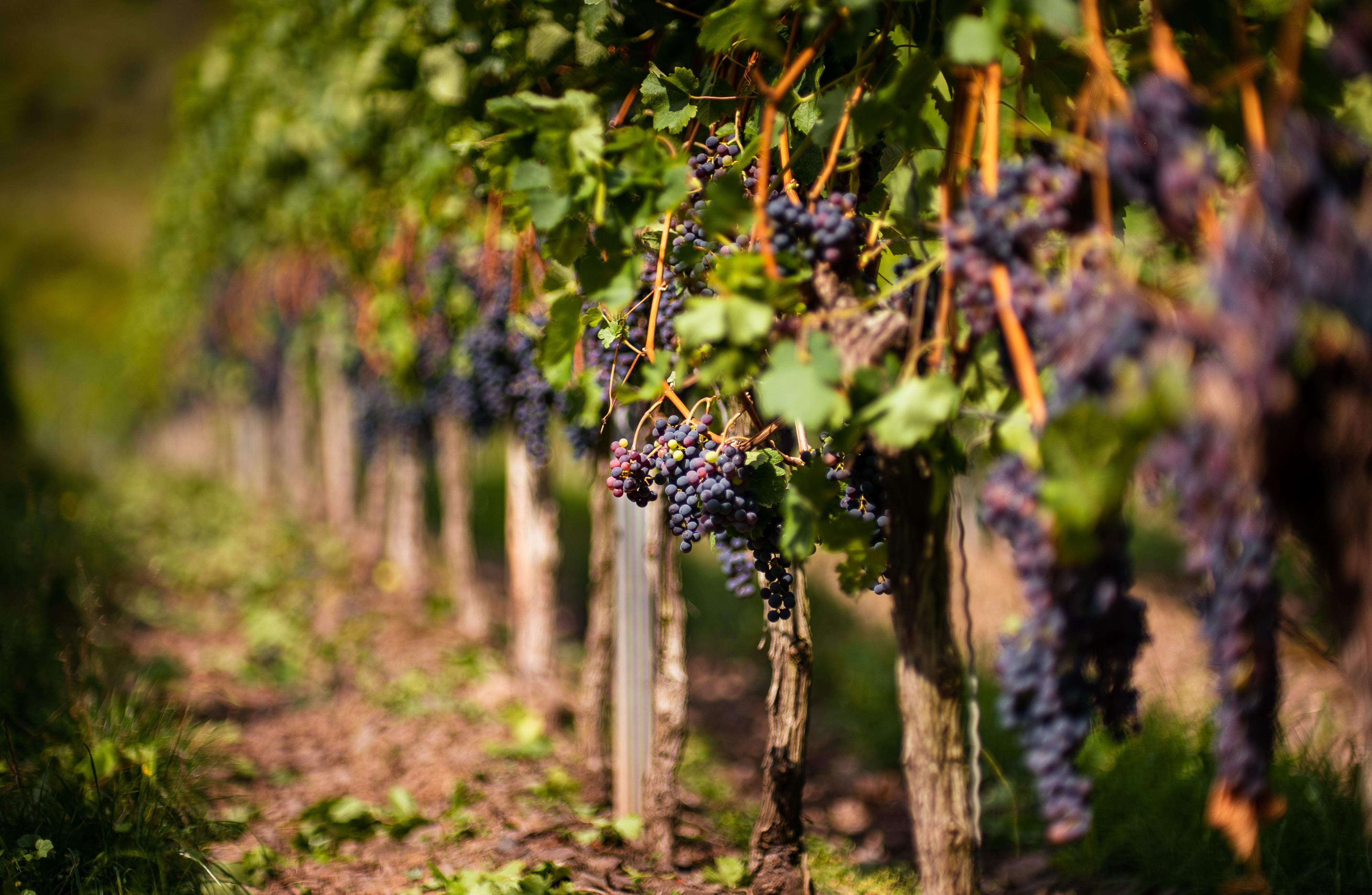
Tempranillo is the backbone: structure, red fruit, an ability to take oak without disappearing. It is very often blended, most commonly with garnacha, and with smaller amounts of other permitted varieties.
White Rioja exists, is a much smaller share of production, and is worth asking for precisely because most visitors do not.
What actually changes the glass
In rough order of impact:
- Ageing category. The ladder above. Biggest single lever.
- The producer. House style varies enormously — traditional houses and modernist ones make recognisably different wine from the same region.
- Sub-region. Rioja Alta, Rioja Alavesa and Rioja Oriental do differ in soil and climate — but it is emphasis rather than category. See is Rioja Basque for what the sub-regions are.
- Vintage. Matters, and matters least of these four for a visitor tasting young and mid-aged wines.
Anyone telling you the sub-region is the main determinant is selling a map.
Three good questions to ask in a cellar
“What do you drink at home?” Almost always produces a more interesting answer than asking what is best.
“Which of these would you keep, and for how long?” Gets you the producer’s honest read on their own ladder.
“Is there anything here that surprises people?” Frequently a white, an old joven, or something outside the house’s usual line.
Cellar staff in Rioja are, in our experience of the listings and the reviews, generally happy to be asked real questions. The one thing not to do is ask for a recommendation and then buy on the score.
Buying
Cellar-door prices are usually reasonable rather than dramatically cheap — the saving over a good shop is real but modest, and the point is buying something you tasted from someone who made it.
Nothing you buy is included in a tour price, and there is no obligation. Both winery visits on the featured day include the tasting itself.
What not to worry about
Not knowing anything. Nobody expects you to. Two guided tastings in one day is a good crash course precisely because a guide is explaining as you go.
Spitting. Entirely normal at a cellar tasting, and sensible if you have a second visit and a coach afterwards.
Book the Rioja Day Trip from Bilbao
$87 from central Bilbao, including transport, a guide, a centenary winery tour with tasting in Haro and a cellar tour with two wines in Laguardia. Free cancellation up to 24 hours before. Lunch is not included and you will want one.
Check Availability & Book